Overview of Visitor Etiquette
Visiting Cascada de Peguche requires an understanding that you are entering a living cultural sanctuary rather than a standard commercial tourist attraction. The 40-hectare Bosque Protector operates entirely outside the jurisdiction of the national park service. Instead, it is strictly governed by the indigenous Fakcha Llakta (“Community of the Waterfall”) Kichwa community. This local management ensures that the cascading waters, the 19-station trail system, and the surrounding eucalyptus forests are treated as vital spiritual entities. The regulations established here are non-negotiable, designed to protect the fragile ecosystem and honor the ancestral reverence that defines the region.
The community’s official guidelines reflect a deep commitment to environmental stewardship. When you walk the cobblestone paths toward the 20-meter falls, you are a guest in a space utilized for profound spiritual practices. Understanding these rules before arrival ensures that the powerful energy of the falls remains untainted for future generations and sacred ceremonial periods. To familiarize yourself with the full layout of the reserve before your visit, we highly recommend reviewing our comprehensive Trail Map & Hiking Guide.
General Access & Stay Guidelines
Mandatory Community Registration
Before progressing into the deep forest, all visitors are required by local decree to physically sign the visitor logbook. This registration takes place at the Oficina de Turismo Comunitario located immediately near the main gate. This step provides the Fakcha Llakta community with accurate visitor metrics and allows staff to issue immediate safety briefings regarding current trail conditions. While general entrance operates on a voluntary donation basis, bypassing the registration desk is strictly prohibited. For a breakdown of appropriate donation amounts and guided entry options, consult our Tickets & Tours page.
Camping Fees and Security Protocols
Overnight stays within the protected forest are permitted but highly regulated. The reserve features unique pyramidal wooden platforms designed to minimize ground impact. Pitching a tent on these structures requires a strict $3.00 – $5.00 per tent fee, payable at the main office. To ensure camper safety and resource allocation, all overnight guests must register before 7:00 PM. This deadline allows the community to assign a dedicated night security guard to the camping sector. Travelers planning to stay late should also read our guide on Is Northern Ecuador Safe for Tourists? for broader regional context.
Strict Swimming Prohibitions
The Peguche River commands immense hydraulic force, and specific zones are entirely off-limits to swimmers. Visitors are explicitly prohibited from wading or swimming at the top of the 18-meter waterfall, as well as above the secondary 6-meter cascade. The fast-moving currents in these upper sectors present a severe drowning hazard. The community enforces this rule rigorously; ignoring it will result in immediate removal from the reserve.
Designated Bathing Zones
Those wishing to interact with the water safely are directed exclusively to the lower “Piscinas Incaicas” (Inca Pools) or the small natural pools situated near the base of the trail. These areas are structurally reinforced and monitored. If your itinerary involves comprehensive regional exploration, integrating your visit via a private guided tour of Otavalo Market, Cuicocha Lake, and Peguche ensures you reach these designated bathing zones during optimal, low-traffic hours.
Trail Flow and Bottleneck Prevention
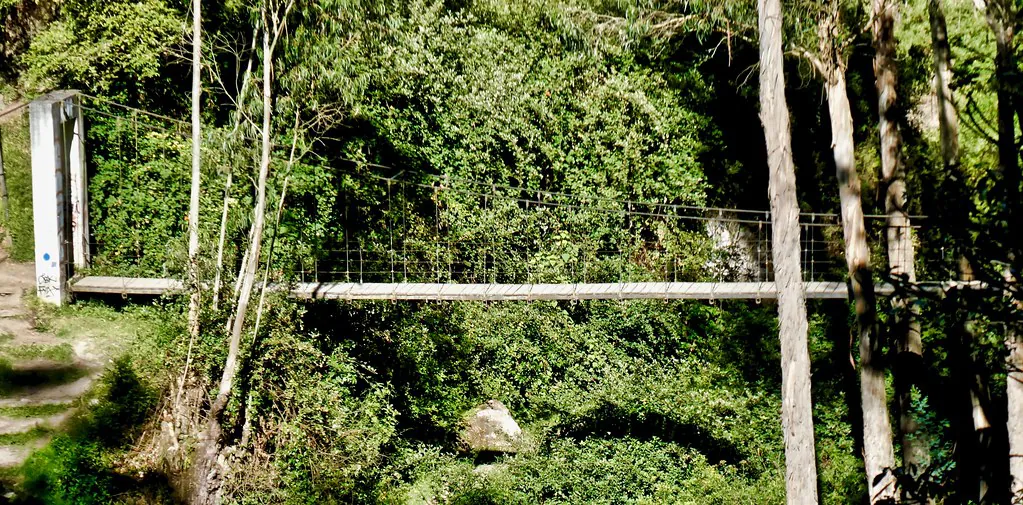
During busy weekends, the 40-hectare site routinely accommodates upwards of 2,500 visitors. To prevent dangerous bottlenecks, the community mandates a strict right-of-way policy. Hikers must keep to the right side of all cobblestone paths. This rule is especially critical when crossing the narrow suspension bridge, where weight limits and two-way foot traffic require orderly, patient movement.
Environmental & Wildlife Protections
The Fakcha Llakta community aligns its internal policies with the broader ecological directives of the Ministry of Environment, Water and Ecological Transition, demanding absolute compliance from every guest traversing the forest.
Ecuador Limpio Waste Management
Under the community’s localized “Ecuador Limpio” initiative, the deep forest paths are entirely devoid of trash cans. This intentional design prevents wildlife scavenging and reduces the logistical burden of hauling refuse out of the reserve’s interior. Visitors must bring their own fundas (bags) to pack out all generated waste. Trash must be carried back to the entrance kiosks, where designated sorting bins separate recyclables from organic matter. You can read more about these ongoing initiatives in our Conservation & Environment sector.
Pet Leash Regulations
While domestic dogs are permitted within the reserve, they must remain securely leashed at all times. The underbrush is home to sensitive native fauna, including field owls and swallows, which are easily stressed by roaming canines. Keeping pets leashed ensures the safety of this wildlife and helps maintain the delicate ecological balance of the Bosque Protector.
Flora Collection Fines
The extraction of any natural material from the reserve is a violation of the local environmental management plan. Extracting firewood (leña) or picking native flora such as sauco, cholán, and wild blackberries (moras) is strictly forbidden. The community imposes active, on-the-spot fines for anyone caught damaging the vegetation. Every plant plays a role in preventing soil erosion along the steep riverbanks.
Acoustic Preservation Protocol
The auditory environment of Cascada de Peguche is protected with the same vigor as its physical landscape. Playing loud external music on Bluetooth speakers is permanently banned on all trails. The natural acoustics—defined by native birdsong and the rushing waters of the Jatunyacu River—are considered essential for the forest’s healing energies. Disruption of this soundscape is viewed as a direct offense to the spiritual integrity of the site.
“The auditory environment of the forest is not a backdrop; it is an active participant in the spiritual healing process. The rushing of the Jatunyacu River must not compete with synthetic noise.”
Spiritual & Ceremonial Etiquette
Cascada de Peguche holds recognized significance within the Imbabura UNESCO Global Geopark network, not merely for its geological formations, but for its uninterrupted use as an indigenous ceremonial epicenter. Understanding the calendar of events and the specific behavioral expectations during these periods is a fundamental requirement for visitors.
Inti Raymi Nighttime Access
Standard tourist hours conclude between 5:00 PM and 6:00 PM. However, the operational paradigm shifts entirely during the Inti Raymi festival, centered around June 21st. The community gates remain open through the night to accommodate indigenous groups and respectfully observant tourists. Sacred ritual purification bathing begins precisely at 8:00 PM and reaches its crescendo at midnight. Visitors present during these hours must maintain absolute respect, avoiding flash photography or interrupting the processions. For a deep historical analysis of these events, consult our guide on Understanding the Andean Inti Raymi Traditions.
Pawkar Raymi Observation Rules
During the month of March, the Fakcha Llakta community celebrates Pawkar Raymi, an Andean equinox festival also known locally as Sisa Pacha or Tumari Pukllay. This period involves traditional ceremonial games characterized by water and flower throwing. Tourists walking the 19-station trail during March must respectfully observe from the periphery. Interfere with the participants or attempting to join uninvited is considered highly disrespectful to the harvest rituals.
The Musical Stone (Piedra Musical)
At exactly the 15-minute mark of the primary hike, the trail passes the “Piedra Musical.” Trail etiquette mandates that this specific geological feature be left completely undisturbed by recreational hikers. Local musicians rely on this exact spot during the equinox to leave organic offerings. Furthermore, the acoustic resonance of the stone is utilized to spiritually tune traditional Andean flutes and rainsticks before major ceremonies. Touching or climbing on the Piedra Musical is strictly prohibited.
Drone Flight Prohibition
Operating unmanned aerial vehicles (drones) over the sacred waterfall or within the forest canopy is broadly prohibited. The noise disrupts the acoustic protocols, and the cameras infringe upon the privacy of the indigenous residents who utilize the forest for private rituals. Any commercial filming or drone operation requires prior, formal consultation. Permits must be negotiated directly with the Fakcha Llakta community president in advance of your arrival. Unauthorized drones will be grounded, and operators will face immediate expulsion.
Traveler Advice & Integration
Navigating the rules of Cascada de Peguche ensures that your presence actively supports the preservation of this 40-hectare reserve. Compliance with the Fakcha Llakta community decrees is the baseline of responsible tourism in the Imbabura province. Before departing for your hike, verify current regional weather alerts via the National Institute of Meteorology and Hydrology (INAMHI), as heavy rainfall can drastically alter trail safety and river velocity, sometimes prompting the community to temporarily close the suspension bridge.
For visitors looking to maximize their time in the northern highlands without the logistical friction of navigating multiple transit systems, booking an organized excursion is highly advantageous. A well-planned comprehensive Otavalo and Peguche day trip from Quito handles the timing of your arrival, ensuring you bypass the heaviest weekend crowds. Guides on these authorized routes are well-versed in the local etiquette, guiding you to the best vantage points of the upper falls and handling the mandatory registration process at the Oficina de Turismo Comunitario on your behalf.
If you are traveling independently, careful planning is required. Review our specific transit logistics on the How to get to Cascada de Peguche page to understand walking distances from the bus drop-offs. Additionally, because the reserve is only one facet of the province’s rich heritage, we encourage visitors to extend their stay. You can explore the broader artisan economy by visiting the Local Workshops & Weavers nearby, or consult our Exploring Ecuador: Nearby Attractions guide to locate the finest highland markets and crater lakes the Imbabura region has to offer.